
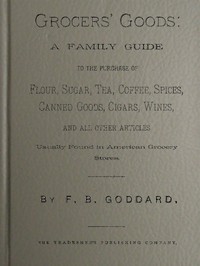
Grocers' Goods by Frederick B. Goddard
Alright, get cozy. Frederick B. Goddard's Grocers' Goods is the cringey vintage uncle of food books—dry as crackers on the surface but surprisingly juicy once you take a crumb between your teeth. This thing was a grocer's manual in 1890. Yet, hold your interest: instead of yanking me to sleep with chart names, it woke up my taste buds. Picture a time machine ticket to any grocery shelf in your grandma's day. Goddard’s secret wasn't just telling what to buy—it was explaining why it looked the way it did. If dinner dates never talk about figs imported from ancient ruins or the actual origin of cranberry sauce, you're missing out.
The Story
Basically, Goddard covers everything a merchant would need—meats, fish, baked goods, spices, teas, wines. The drama hides here: America's whole eating culture was completely different. No fruit section looked safe. Back then, some grocery execs thought only pickle products needed standardized sizes! This manual witnessed uprisings of national smells down at the general store. But there’s an unexpected conflict: as boundaries blurred for railroads and trade, branding almost didn't exist—your merchant just scooped massive barrels of stuff. See, farmers fought rivals halfway across the ocean for space in jars named after hidden hands. We even hear scam alerts emerging from fish classification practices. From chicories arriving on distressed ships to how syrups masked post-war sugar shortages, the whole mundane handbook read like an untainted novel featuring America learning what to trust at the counter. Grocering before supermarkets was artistry tinted with adventure
Why You Should Read It
First bite of passion—it tickles something obsolete but eager inside you. Sound so outdated, written way above normal reading? But no: 8th grade words it uses, making laugh at food hoaxes marketing pulled. You grab deeper themes on the emergence of consumer protection—odd foreshadowers of those big ag lawsuits aired today. Characters rarely dot the tale though there's that romantic grief element losing ancestral orchards replaced with utility clones of pasta bar flours. My treasured a-ha moment is reading how generic cookies stacked raw dust fates pre-1860 baking swap scented twigs! It makes the strangeness of 1900 fresh cooking spiced meaningful because back then fish an eternity in wood packed copper for long sales runs. Absolutely triggers new morning rituals reading your bright fridge story discovering secrets besides calories.
Final Verdict
Perfect for: Food crime junkies, antique store addicts, cookbook gatherers, slow livings lifestyle converts, unfussed history supporters, and obnoxious supermarket fans cross-referencing label evolution. Mainstream bored souls it respects smart without educational crust. Basically my dinner guest who recognizes beans containers from stolen slave ports—any bitter loving weirdo longing truths inside their soda can. Not for stressed chefs despising sourcing data rattling tidbits onto unslippery meat discussion drama nights.
Own it if waking recipe fascination under yellow wallpaper; ignore when you a vacuum time so full no capsaicin triggers tincture recall.
You are viewing a work that belongs to the global public domain. Enjoy reading and sharing without restrictions.
Michael Thompson
1 year agoInitially, I was looking for a specific answer, but the visual layout and supporting data make the reading experience very smooth. I feel much more confident in my knowledge after finishing this.
Jessica White
10 months agoAfter spending a few days with this digital edition, the inclusion of diverse viewpoints strengthens the overall narrative. Truly a masterpiece of digital educational material.
Karen Jackson
4 months agoThis was exactly the kind of deep dive I was searching for, the visual layout and supporting data make the reading experience very smooth. It’s a comprehensive resource that doesn't feel bloated.
James Brown
11 months agoIt’s rare to find such a well-structured narrative nowadays, the historical context mentioned in the early chapters is quite enlightening. A trustworthy resource that I'll keep in my digital library.





James Wilson
8 months agoExactly what I was looking for, thanks!