
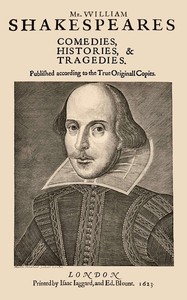
The Complete Works of William Shakespeare by William Shakespeare
Okay, let's be honest. 'The Complete Works' sounds intimidating. It's a big book. But think of it less as one book and more as a box set of the greatest hits of human emotion, packaged four centuries ago.
The Story
There isn't one story—there are dozens. In Hamlet, a young prince sees his father's ghost and learns he was murdered. The quest for revenge tears his family and country apart. In Macbeth, a brave soldier hears a prophecy that he'll be king, and his ambition, pushed by his wife, leads him down a bloody path. Romeo and Juliet is the ultimate tale of rushed young love and family feud. Twelfth Night is a hilarious mix-up of disguises and mistaken identity. From the history plays about kings like Henry V to the magical romances like The Tempest, each play is a self-contained world of conflict, choice, and consequence.
Why You Should Read It
I avoided Shakespeare for years, thinking it was for scholars. I was wrong. The reason this collection endures is that Shakespeare understood people. His characters aren't perfect heroes or villains; they're complicated. You feel for Macbeth even as he does awful things. You get frustrated with Hamlet's inaction. You see the petty jealousy in Othello and recognize it. The themes are never simple. Is Julius Caesar about noble patriotism or selfish betrayal? It depends on who's talking. Reading these plays feels like getting the source code for why people act the way they do. The language is part of the magic—once you get the rhythm, the insults are funnier, the romance is sweeter, and the rage is more terrifying than anything written today.
Final Verdict
This is for anyone who loves a good story. Don't worry about 'getting' every single line on the first try. Watch a movie adaptation first, then read the play. Start with one of the big tragedies or a comedy like Much Ado About Nothing. It's perfect for readers who want to see where our modern stories came from, for writers looking for masterclasses in character and dialogue, and for anyone who believes that human nature—with all its love, jealousy, ambition, and folly—hasn't changed all that much. It's not homework; it's the original binge-watch.
Matthew Thomas
8 months agoJust what I was looking for.
Linda Miller
2 months agoAs someone who reads a lot, the pacing is just right, keeping you engaged. Thanks for sharing this review.

Elijah Davis
1 year agoIf you enjoy this genre, the author's voice is distinct and makes complex topics easy to digest. Highly recommended.